














Teens in the Driver Seat® is a peer-to-peer safety program for America’s youth.
Too many teens are dying.
Car crashes are a leading cause of death for young people, accounting for nearly 1/3 of all teen deaths in America each year. Since 2012, about 2,700 U.S. teens die each year in car crashes; that’s the equivalent of a school bus loaded with teenagers crashing once every week for an entire school year.
On a per-mile driven basis, teens are eight times more likely to die in their first six months of driving than adults. In 2017, half of teen passenger deaths happen when another teenager is driving. For every American teen killed in a car crash, about 100 more are injured.
Besides the human tragedy of teen deaths, the societal costs of these crashes amount to $30 billion per year for the United States.
Most people don’t know why.
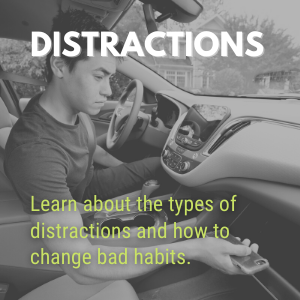
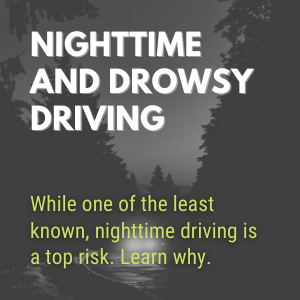
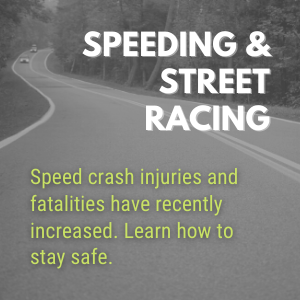
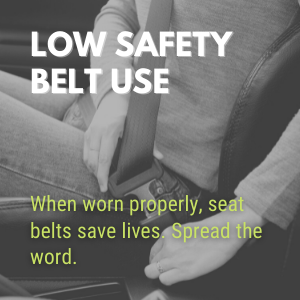
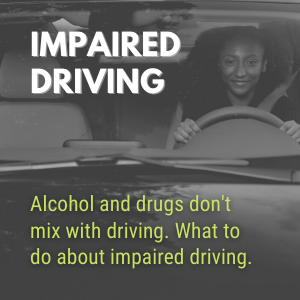
The most common causes of teen driving crashes are the ones that young drivers (and their parents) know the least about. Combined with a lack of driving experience, the top five dangers are:
 |
 |
 |
 |
 |
 |
Most teens and parents are unaware of the driving restrictions imposed on them by the Graduated Driver Licensing (GDL) laws.
Serious crashes are more frequent for teens learning through parent-taught driver education.
Teens are a key part of the solution.
Started in 2002, Teens in the Driver Seat® is the first peer-to-peer program for teens that focuses solely on traffic safety and addresses all major risks for this age group.
Teens help shape the program and are responsible for implementing it and educating their peers and parents; Texas A&M Transportation Institute (TTI) provides the science, guidance and project resources. Our staff brings expertise in deeply understanding the attitudes and behaviors of people aged 11 to 25. We apply peer-to-peer, traffic safety culture, and shared risk and protective factor
frameworks to change behaviors among young people. Additionally, our program aims to empower youth to promote traffic safety actively.We work with youth and their community of educators to bring grassroots traffic safety programming packed with education and skill-building so teens and young adults can engage and inspire their peers in ways that only they can do.
Teens in the Driver Seat® is available to high schools in 28 states. Additionally, the junior high school program is available in Georgia, Nebraska, Texas, and Washington.
Teens in the Driver Seat® is helping make a difference.
Teens in the Driver Seat® is an initiative under the Texas A&M Transportation Institute’s Youth Transportation Safety (YTS) Program. YTS seeks to save lives and reduce injuries among America’s youth by developing and delivering the nation’s most comprehensive suite of transportation safety programs and projects.
Teens in the Driver Seat® program surveys show awareness levels increasing by up to 200 percent in all risk areas. Cell phone use at Teens in the Driver Seat® program schools has dropped by 34%, and seat belt use has gone up by 17%.
Over 2,200 schools now have implemented the Teens in the Driver Seat® program and we now reach over 1.2 million teens each school year. The program has also been deployed in 38 states outside Texas.
Because of the positive results shown in numerous studies, TDS has won dozens of awards (including eight national awards) and has been recognized as a national best-practice model four times by the U.S. Department of Transportation, the Governors Highway Safety Association, and the National Safety Council.
Program Director
Lisa Minjares-Kyle, M.S., MCHES
Texas A&M Transportation Institute
(210) 321-1214 | [email protected]
Learn how to get Teens in the Driver Seat® started at your school.